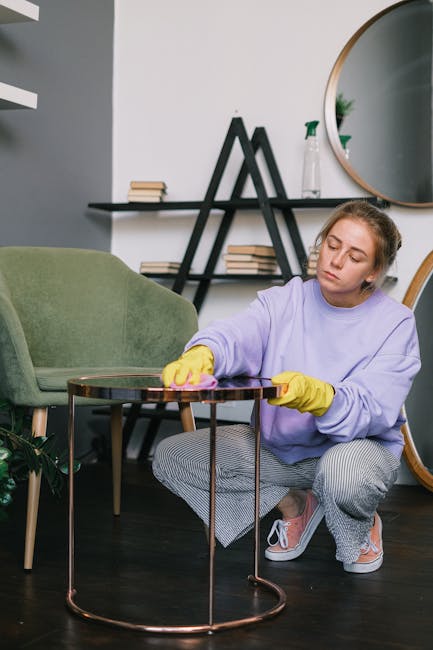
Clapham Junction Upholstery Cleaning for Flats Above the Shops
If you live in a flat above a shop in Clapham Junction, you already know the small stuff can become the big stuff. Narrow stairwells, awkward parking, late-night noise from the street, and furniture that seems to have been built to test your patience. Upholstery cleaning in that setting is a little different from a standard house visit, and that difference matters. This guide explains how Clapham Junction upholstery cleaning for flats above the shops works, what to expect, what can go wrong, and how to get a better result without turning your day upside down.
Whether you need to freshen a sofa, remove pet smells, deal with drink marks, or just bring tired fabric back to life, the right approach makes the job safer, quicker, and less stressful. And truth be told, in a building where access is tight and neighbours are close by, good planning is half the win.
Why Clapham Junction upholstery cleaning for flats above the shops Matters
Flats above the shops often have a few quirks that change the whole cleaning experience. There may be no lift, the stairwell may be steep, and the entrance might sit on a busy high street where getting equipment in and out is a bit of a dance. Upholstered furniture still needs regular care, though, because sofas, armchairs, dining chairs and headboards collect dust, skin oils, crumbs, pollen and everyday spills just like any other home.
In Clapham Junction, many residents live in compact spaces where one sofa does a lot of work. It is the place you eat dinner, watch films, work from home on a laptop, and sometimes fall asleep by accident. That means wear builds up fast. Fabric can start looking dull, smells can settle in, and stains can spread if they are left too long. Cleaning is not just cosmetic. It helps your furniture last longer and keeps the room feeling more comfortable.
There is also the access issue. A standard ground-floor clean can be straightforward; a first- or second-floor flat above a commercial unit is more sensitive to noise, timing, and movement. A cleaner who understands the setting will plan for parking, carry equipment carefully, minimise disruption, and choose methods that suit the property rather than forcing a one-size-fits-all routine. That practical awareness makes a genuine difference.
Expert summary: In flats above shops, upholstery cleaning works best when the service is planned around access, drying time, noise, fabric type, and neighbour awareness rather than just the stain itself.
If you are already thinking about a broader refresh, it can help to look at related services such as sofa cleaning, rug cleaning, or a wider deep cleaning visit. Sometimes the best result comes from treating the flat as a whole, not just one chair at a time.
How Clapham Junction upholstery cleaning for flats above the shops Works
Most professional upholstery cleaning follows a fairly similar structure, but the details matter. The cleaner starts by identifying the fabric, checking for colour fastness and looking for labels or manufacturer guidance where available. That is not fussiness. It is the difference between safely lifting dirt and accidentally marking a delicate cover.
Next comes dry soil removal. Loose dust, grit and crumbs are removed first because if you skip that step, you can push dirt deeper into the fibres. Then the cleaner applies the chosen method, which might be low-moisture extraction, hot water extraction, dry compound cleaning, or a gentle spot treatment depending on the item and the access conditions.
For flats above shops, low-noise and low-disruption methods are often preferred when practical. Why? Because a machine running up a tight staircase at 8:00 a.m. can feel louder than it really is. The building layout, neighbour schedules and drying conditions all influence the approach. A good cleaner will also protect surrounding floors, doors and skirting, especially where hallway space is cramped.
Drying is the final stage, and it deserves more attention than people usually give it. Airflow, heating, open windows, and the type of fabric all affect how quickly upholstery becomes usable again. In a small flat, a damp sofa can make the whole room feel off for hours. Sometimes the sensible move is to clean earlier in the day so the room can air properly before evening.
If you are comparing upholstery care with other specialist services, choosing the right cleaning company for the property type is often more valuable than chasing the lowest price. Flats above the shops tend to reward experience, not bravado.
Key Benefits and Practical Advantages
The most obvious benefit is a cleaner-looking sofa or chair, but the real value goes a bit deeper than that. Upholstery cleaning can remove embedded dust and everyday grime that regular vacuuming never quite reaches. That makes the room feel fresher straight away, which you notice more in a smaller flat than you might in a larger house.
There is also the comfort factor. If you have guests, work from home, or simply like your living room to feel calm rather than tired, clean upholstery changes the atmosphere. It can reduce musty smells, make fabrics feel softer, and help a room look brighter without redecorating. Nice effect, really. Cheap, too, compared with replacing a perfectly good sofa because it looks past its best.
From a practical point of view, regular cleaning can extend the life of furniture. Dirt particles can act a bit like fine sandpaper in the fibres, so removing them helps reduce wear. That matters in flats above shops where furniture may be moved less often and gets used heavily because space is tight.
Here are a few direct advantages people usually care about:
- removes visible marks and general dullness
- helps manage odours from food, pets, or smoke
- supports a cleaner, healthier-feeling living space
- reduces the need to replace upholstery early
- works well as part of a broader flat reset before guests, tenancy changes, or seasonal cleaning
For landlords and tenants, upholstery care also helps present the flat better at inspections or move-out time. If the property needs a more all-round refresh, services like end of tenancy cleaning or one-off cleaning can sit neatly alongside upholstery work.
Who This Is For and When It Makes Sense
This service is especially useful for people living in smaller or busier flats where the furniture works hard and there is not much room to hide wear. That could be a young professional with a compact lounge, a couple in a converted unit above a cafe, or a family living above a row of shops where everyday traffic and cooking smells seem to linger a bit longer than they should.
It also makes sense if you have pets, children, allergies, or a mix of all three. Pet hair gets trapped in upholstery, accidents happen, and crumbs have a funny way of appearing in impossible places. If you have ever pulled a cushion off a sofa and wondered where on earth all that fluff came from, you are not alone.
Upholstery cleaning is often a good call before:
- moving out of a flat
- hosting guests or family
- selling or letting a property
- after a long winter indoors
- following a spill, pet accident, or lingering smell
- the start of allergy season, when dust becomes more noticeable
It is also worth considering after works or decorating nearby. If dust from sanding, painting or small refurbishment has settled into soft furnishings, a service like after builders cleaning may be part of the wider recovery plan, especially in a compact flat where dust drifts everywhere.
Not every sofa needs full restoration, of course. Sometimes a careful refresh is enough. The trick is knowing the difference, and not being tempted to overdo it.
Step-by-Step Guidance
If you are arranging upholstery cleaning for a flat above the shops, a little preparation goes a long way. You do not need to turn the place upside down, but you do want to make access easy and the job efficient.
- Identify the furniture and fabric. Make a note of the pieces that need cleaning, including sofas, chairs, stools, mattresses or headboards. If you can find any manufacturer tag or care guidance, keep it handy.
- Check the access route. Stair width, lighting, doors, entry codes, intercoms and parking all matter. In a flat above shops, one awkward corner can slow everything down.
- Remove loose items. Clear cushions, throws, side tables and fragile objects from the cleaning area. The more space the cleaner has, the safer and tidier the job will be.
- Discuss stains and problem areas. Be honest about what happened. Tea, red wine, makeup, pet urine and food oils all behave differently. A vague "just make it look better" is fine, but a bit more detail helps.
- Choose the right method. A professional will assess whether wet extraction, low-moisture work or targeted stain removal is best. Not every item should be soaked. That is a classic mistake.
- Plan for drying time. Open windows if possible, keep the room aired, and avoid using the furniture until it is properly dry. In the evening, the flat can feel stuffy quickly, so timing matters.
- Inspect the result before the cleaner leaves. Check the main contact points, arms, seat cushions and visible seams. If a stain needs a second look, it is much easier to deal with then.
A small but useful point: if your flat has mixed flooring, you may want to combine upholstery work with hard floor cleaning so the whole room feels consistent rather than half refreshed. The difference is more obvious than people expect.
One more thing. If the room is very small, ask about moving furniture carefully rather than clearing absolutely everything yourself. No need to start a mini gym session before the cleaning has even begun.
Expert Tips for Better Results
In our experience, the best upholstery cleaning outcomes usually come from a mix of sensible preparation and realistic expectations. You do not need miracles. You need the right method for the fabric and the setting.
Vacuum first, properly. It sounds basic, but lifting dry soil first improves every other stage. Pay attention to creases, seams and the space under cushions. That hidden grit is often what makes fabric look tired.
Deal with stains promptly. Fresh marks are generally easier to treat than old ones. If a spill happens, blot rather than rub. Rubbing pushes the mess deeper and can rough up the fibres. We see this all the time. A gentle blot saves a lot of grief.
Think about ventilation. Flats above shops can hold humidity, especially when windows are kept shut for privacy or noise reasons. If drying is slow, fabric can stay slightly damp and feel unpleasant. Even a small improvement in airflow helps.
Test before treating. Spot testing matters on coloured or delicate upholstery. A careful cleaner will test an inconspicuous area first. That is not hesitation; it is good practice.
Know when not to push too hard. Some fabrics respond badly to heavy moisture or aggressive agitation. If your velvet chair or antique armchair needs specialist handling, gentle is usually better than dramatic. Let's face it, nobody wants a "cleaned" sofa that looks worse than before.
Use the rest of the visit wisely. If the cleaner is already there, it can make sense to ask about related tasks like rug cleaning or sofa cleaning for matching pieces. A coordinated clean often gives the room a more polished finish.
And a small human tip: if you live above a busy parade of shops, try to book when foot traffic is a little quieter. Mid-morning on a weekday can be easier than the Saturday rush. Not always possible, but worth considering.
Common Mistakes to Avoid
Most bad upholstery results come from rushing. The job itself may not look complicated, but the mistakes are surprisingly easy to make. Here are the ones that come up most often.
- Using too much water. Over-wetting can leave marks, slow drying, and cause smells to linger. Some fabrics really do not like it.
- Scrubbing stains aggressively. This can distort the fabric weave and spread the mark. Blotting and controlled treatment are usually safer.
- Ignoring fabric type. Cotton, linen, wool blends, synthetics and velvet do not all behave the same way. A good cleaner reads the situation, not just the stain.
- Forgetting about access constraints. Tight staircases, shared hallways and limited parking can turn a simple visit into a logistical headache if no one plans ahead.
- Cleaning too close to a tenancy check or event. Drying time can be longer than expected, especially in cooler weather. Do not leave it to the last possible hour.
- Assuming one treatment fits all. A food stain, pet odour and ground-in body oils need different handling.
There is also the mistake of wanting everything done in one blast because the flat is small. Sometimes that works, sometimes it does not. If a cleaner says a slower, more careful method is best for a certain fabric, that is usually advice worth listening to.
People sometimes forget that a flat above the shops is not just a home; it is a building with neighbours, shared spaces and a rhythm of its own. Being considerate matters. It keeps the experience smoother for everybody.
Tools, Resources and Recommendations
You do not need to own specialist gear to prepare for upholstery cleaning, but a few simple tools help the process go more smoothly. A decent vacuum with an upholstery attachment is the obvious one. A soft brush can help lift dust from seams. Clean white cloths are useful for blotting small spills and checking whether a stain is transferring.
For residents in flats above shops, a few practical household items also help: a door wedge if the cleaner needs easier movement, a bit of storage space for small furniture, and a clear route from the entrance to the living room. Sounds dull, but it saves time.
When you are choosing a provider, useful things to look for include:
- clear explanations of the cleaning method
- experience with residential flats and access limitations
- careful handling of delicate or mixed fabrics
- transparent pricing and quote guidance
- insurance and safety information
- clear terms and expectations about drying time and stain results
If you want to understand how a company presents itself and what it values, pages like about us, insurance and safety, and pricing and quotes can be helpful. They give you a better feel for the way the business works before anyone arrives at the door.
You may also want to check the company's terms and conditions and privacy policy if you are sharing access details, booking information or payment data. Not glamorous reading, fair enough, but useful.
Law, Compliance, Standards and Best Practice
Upholstery cleaning is a practical household service, but it still sits inside a wider framework of good practice. In a residential building above shops, the cleaner should behave with care around access routes, shared spaces, noise, and any fire exits or communal areas. That does not mean every flat has a special legal issue; it means common sense and respect for the building are part of the job.
From a best-practice point of view, a professional should consider fabric safety, ventilation, electrical equipment handling, slip risks from moisture, and safe movement in stairwells. If equipment is carried through a narrow entrance, it should be done carefully. If floors may become damp, they should be protected or dried promptly. Small things, but they add up.
Residents and landlords should also remember that tenancy agreements and building rules may affect access, parking, or timing. If you live above a row of businesses, the cleaner may need to work around opening hours or avoid busy periods. That is normal. It is better to mention it early than discover it while carrying a machine up the stairs, which is nobody's favourite moment.
For customers who care about responsible business conduct, it can be reassuring to review pages such as health and safety policy, recycling and sustainability, and modern slavery statement. They do not change the cleaning itself, but they do show how the company thinks about responsibility more broadly.
Also, if you ever need to raise a concern, the presence of a clear complaints procedure is a good sign. It suggests the business is willing to stand behind its work and deal with issues properly rather than shrugging them off. That matters more than people sometimes realise.
Options, Methods, or Comparison Table
Different upholstery cleaning methods suit different flats, fabrics and timeframes. Here is a simple comparison to help you make sense of the main options.
| Method | Best for | Advantages | Watch-outs |
|---|---|---|---|
| Hot water extraction | Many standard sofas and fabric chairs | Deep clean, strong soil removal, good for general refresh | Needs drying time; not ideal for every delicate fabric |
| Low-moisture cleaning | Flats with limited ventilation or tighter schedules | Quicker drying, lower disruption, often convenient upstairs | May be less effective on heavy staining than fuller extraction |
| Dry compound cleaning | Some sensitive fabrics and low-moisture situations | Very little water, reduced drying concerns | Not suitable for every upholstery type or stain |
| Spot treatment only | Small fresh marks or isolated issues | Fast, targeted, minimal disturbance | Won't refresh the full item if overall grime is present |
If you are not sure which route is best, ask for an assessment first. That sounds obvious, but it saves a lot of confusion later. A careful cleaner will tell you when a full clean makes sense and when a lighter touch is enough.
For wider domestic maintenance, many people pair upholstery work with domestic cleaning or even a broader house cleaning visit. That can be especially useful in smaller flats where dust and clutter seem to build up in the same few places.
Case Study or Real-World Example
A typical Clapham Junction scenario goes something like this. A tenant in a one-bedroom flat above a small parade of shops has a three-seater sofa, two dining chairs and a footstool that have all picked up a mix of everyday wear. There is a tea stain on one cushion, a faint pet smell near the armrest, and a general dullness that has crept in over the winter.
The building has no lift, the stairwell is narrow, and parking outside is limited to a short window in the morning. In that sort of situation, the best outcome comes from simple planning: clear access, confirm the floor level, check the fabric type, and choose a low-disruption method that suits the space. The cleaner arrives, protects the route, pre-vacuums the furniture, treats the affected areas, and then finishes with a controlled clean that does not soak the cushions.
By the time the job is complete, the room smells fresher, the sofa looks lighter in colour, and the chairs no longer shout "I have seen too many takeaway nights." More importantly, the flat is still easy to use later the same day. That is the kind of result people actually want. Not perfection. Just a proper improvement without drama.
In a setting like that, the difference between a decent job and a frustrating one is usually the planning, not the machine. Funny how often that happens.
Practical Checklist
Use this quick checklist before your appointment. It keeps things moving and helps the cleaner focus on the work rather than the logistics.
- Confirm the flat level and access route
- Check whether there is a lift, narrow stairwell, or shared corridor
- Move small items, fragile pieces, and clutter away from the furniture
- Identify any obvious stains, smells, or problem areas
- Let the cleaner know about pets, children, allergies, or sensitive fabrics
- Ask how long drying is likely to take
- Make sure there is enough ventilation for the room afterwards
- Keep parking or entry instructions clear and simple
- Review expectations for stain removal before the job starts
- Check the result once the cleaning is done
Quick takeaway: the smoother the access, the better the cleaning experience. In flats above the shops, that really is half the battle.
Get a free quote today and see how much you can save.
Conclusion
Clapham Junction upholstery cleaning for flats above the shops is about more than fresh fabric. It is about understanding the layout, respecting the building, choosing the right cleaning method, and getting a result that fits real life in a busy London neighbourhood. When those pieces line up, the work feels much easier and the finish is noticeably better.
If your sofa is looking tired, your armchair has picked up a mystery mark, or the flat just needs a reset after a busy few months, upholstery cleaning can make the space feel calmer and more cared for. Small flat, small improvements? Not quite. Sometimes a small improvement changes the whole mood of the room.
And if you approach it with a bit of planning, a bit of honesty about the fabric, and a cleaner who understands upstairs access, you'll probably be pleasantly surprised. That fresh, clean-room feeling is a good one. Proper good.
Frequently Asked Questions
What makes upholstery cleaning in flats above the shops different?
The main differences are access, noise, drying conditions and shared-space considerations. Stairwells may be narrow, parking limited, and ventilation less predictable than in a house. A cleaner should plan around those realities.
How long does upholstery take to dry in a flat above a shop?
Drying time depends on the fabric, cleaning method, airflow and room temperature. Low-moisture methods usually dry faster, while deeper extraction cleaning can take longer. Good ventilation helps either way.
Can all sofa fabrics be cleaned safely?
Not all fabrics respond the same way. Some can handle wet cleaning well, while others need a gentler or low-moisture approach. Always check the care label if you have it, and ask for a fabric assessment before cleaning starts.
Is it worth cleaning a sofa instead of replacing it?
Often, yes. If the frame and upholstery are still in good condition, professional cleaning can refresh the item for much less than replacement. It is especially sensible for good-quality furniture in compact flats where every piece earns its keep.
What stains are hardest to remove?
Older stains, dye transfer, pet accidents and some oily marks can be more difficult than fresh spills. Results vary, and no responsible cleaner should promise miracles. Still, professional treatment usually gives you a far better chance than DIY methods.
Do I need to move furniture before the cleaner arrives?
It helps to clear small items, but large furniture usually does not need to be moved unless there is a specific reason. In a flat above the shops, keeping the access route clear is more important than doing a full reshuffle.
Will the cleaning leave my flat smelling damp?
It should not if the method is chosen properly and drying is managed well. A temporary damp smell can happen with wetter methods, but good airflow and correct treatment should reduce that quickly.
Can upholstery cleaning help with pet smells?
Yes, it can often improve pet odours by removing trapped dirt, oils and residue in the fibres. Strong or long-standing smells may need a more targeted treatment, and results can vary depending on the fabric and how deep the issue has gone.
How often should upholstery be cleaned?
That depends on use, pets, children, and how much dirt the fabric picks up. A busy living room sofa may need attention more often than a spare chair. If the furniture looks dull or smells stale, it is probably due for a clean.
What should I ask before booking upholstery cleaning?
Ask about the method, drying time, fabric suitability, access needs, and any likely limits on stain removal. It is also sensible to ask about pricing and quotes so there are no surprises on the day.
Is upholstery cleaning suitable before the end of a tenancy?
Yes, it is often a smart move before handing back keys, especially if the furniture is supplied or the flat has visible wear. It can support a cleaner presentation alongside end of tenancy cleaning if the whole property needs attention.
Can I combine upholstery cleaning with other cleaning services?
Absolutely. Many people combine it with carpet care, floor cleaning or a broader flat clean. If you want a more complete refresh, services like carpet cleaning or window cleaning can fit neatly into the same visit.
What if the building has awkward access or no lift?
That is very common in flats above shops. Just say so early. A cleaner who is used to these properties can plan equipment, timing and movement accordingly, which keeps things calm and avoids last-minute stress.