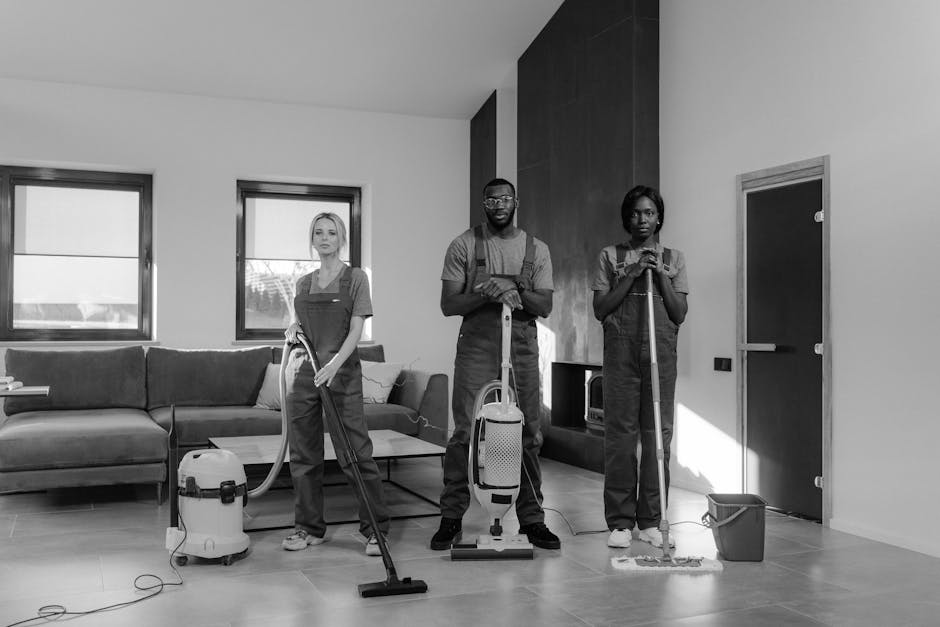
Same day emergency cleaning in Clapham: what to expect
If you are dealing with a sudden spill, a last-minute checkout, an unexpected visitor, or a post-incident mess, the whole thing can feel a bit frantic. That is exactly where same day emergency cleaning in Clapham comes in. In plain English, it means getting a cleaning team out quickly, usually on the same day, to stabilise the situation and restore the space as fast as possible.
What should you expect, though? Not just a mop-and-bucket miracle, to be fair. You should expect a fast response, a short assessment, a focused cleaning plan, and clear communication about what can realistically be done in the time available. This guide walks you through the process, the benefits, the common pitfalls, and the sensible questions to ask before anyone arrives at the door.
Contents
- Why same day emergency cleaning in Clapham matters
- How same day emergency cleaning works
- Key benefits and practical advantages
- Who this is for and when it makes sense
- Step-by-step guidance
- Expert tips for better results
- Common mistakes to avoid
- Tools, resources and recommendations
- Law, compliance, standards, or best practice
- Options, methods, or comparison table
- Case study or real-world example
- Practical checklist
- Conclusion
- Frequently asked questions
Why same day emergency cleaning in Clapham matters
Emergency cleaning is not just about making a property look tidy again. In many cases, it is about stopping a small problem from turning into a larger one. A red wine spill on cream carpet, pet accidents before a tenancy inspection, muddy footprint trails after builders leave, or a spill in an office corridor can all become harder to deal with if left until tomorrow.
Clapham brings its own practical realities. Homes and flats are often compact, access can be tight, and timing matters when people are working, travelling, or preparing for a letting handover. In a busy London setting, speed is often the difference between a recoverable mess and a genuine headache.
There is also the stress factor. Let's face it, when something goes wrong at short notice, people do not just want a clean room. They want reassurance that someone can arrive quickly, use the right method, and not make the problem worse. That is a fair expectation.
For many customers, a same day response is especially useful when the cleaning need overlaps with other services such as deep cleaning, one-off cleaning, or domestic cleaning. The emergency job may be the immediate fix, while those broader services help restore the home properly afterwards.
How same day emergency cleaning works
Most emergency cleaning jobs follow a simple pattern, even if the circumstances are messy or awkward. First comes the call or enquiry. Then comes a quick assessment of what happened, what surfaces are affected, how urgent it is, and whether special equipment or extra staff are needed. After that, the cleaning team confirms availability and gives you a realistic idea of what can happen on the same day.
That realism matters. A trustworthy cleaner will not promise the moon and then turn up with one cloth and a cheerful grin. If an upholstered sofa has absorbed liquid deep into the fibres, for example, the team may be able to treat the visible stain immediately but still need follow-up drying time. If the issue involves heavy debris or post-work residue, an after builders cleaning approach may be more appropriate than a standard surface clean.
On arrival, the team usually checks access, safety, and the exact areas to prioritise. In many cases, they will tackle the worst-visible problem first so the property becomes usable again. If there is more time, they will continue with a more detailed clean. In other words, the job is often triage first, perfection second. Not glamorous, but effective.
You should also expect the cleaner to explain limitations clearly. Emergency cleaning is fast by design, but it still depends on stain type, drying time, material sensitivity, and whether the mess has already been worked into the surface.
Key benefits and practical advantages
The biggest benefit is obvious: speed. But the real value goes beyond that. Same day support can reduce disruption, protect surfaces, and save you from making rushed DIY decisions that end up costing more later.
- Reduced damage: Quick action can prevent stains, odours, and residue from setting.
- Less stress: Knowing someone is on the way changes the mood instantly. You can breathe a bit.
- Better presentation: This matters before viewings, inspections, events, or office visits.
- More suitable methods: Professionals can choose the right product and process for carpet, upholstery, hard floors, or kitchens.
- Clearer next steps: If the situation needs follow-up work, you will know what to schedule next.
There is a practical knock-on effect too. A fast response can help protect deposit returns, reduce downtime in a workplace, or keep a family home comfortable while you sort out the underlying issue. If the problem is in a bedroom, hallway, or living space, a speedy visit can often restore order far more effectively than a last-minute attempt with supermarket sprays and crossed fingers.
For some properties, same day cleaning also acts as a first stage before a fuller service. A property owner might use emergency cleaning to deal with a specific incident, then follow with house cleaning or one-off cleaning once the immediate issue is under control.
Who this is for and when it makes sense
Emergency cleaning is not only for dramatic disasters. In reality, it suits a wide range of everyday situations. Some are genuinely urgent. Others are just inconvenient enough that waiting would make life harder than it needs to be.
It makes sense if you are:
- a tenant needing to deal with a sudden mess before a check-out or inspection
- a landlord or letting agent preparing a property at short notice
- a homeowner facing a spill, odour, or post-party clean-up
- a business owner trying to keep a workspace usable for staff or customers
- someone recovering from a small incident that has affected flooring, furniture, or fittings
It is also useful when timing is awkward. Maybe you have guests arriving later today. Maybe the office is open tomorrow and the floor needs attention now. Maybe your oven had a messy spill during cooking, and the smell has gone from "annoying" to "please help". In that case, a specialist oven cleaning visit can be a sensible add-on to the emergency job.
Sometimes the problem is not a single stain at all. It is a cluster of small issues: carpet marks, a grubby sofa arm, dirty skirting near the entryway, and a window that somehow caught splashes during the mess. That is where a broader cleaner or a broader scope can help, especially if you need cleaners who can move between different surfaces without overcomplicating the job.
Step-by-step guidance
If you have never booked a same day clean before, the process is usually simpler than people expect. Here is the basic flow.
- Describe the issue clearly. Say what happened, which rooms are affected, and whether the mess involves water, grease, food, mud, pet waste, builders' dust, or something else.
- Share the urgency. Explain whether someone is arriving soon, whether the property needs to be handed back, or whether access is time-limited.
- Confirm the surface type. Carpet, wood, tile, upholstery, or glass all need different treatment. A good cleaner will ask about this anyway.
- Agree the priority areas. If everything cannot be finished in one visit, decide what must be done first. This is where the real value is.
- Prepare the space. Move lightweight items, make parking or access notes, and keep pets or children safely out of the way.
- Let the team inspect before they start. A quick check helps avoid guesswork, especially with delicate fabrics or older finishes.
- Review the plan and cost. Ask what will be included, what might be extra, and whether drying time or follow-up work is likely.
- Allow for aftercare. Some jobs are completed on the day, while others need ventilation or a second pass. Truth be told, that is normal.
One little detail people often miss: emergency cleaning is easier when you do not try to "fix" the mess first with random products. If you blot a spill, keep the area safe, and avoid rubbing it deeper, the cleaner usually has a much better starting point. That sounds basic, but it saves a lot of grief.
Expert tips for better results
From a practical point of view, the best emergency cleaning jobs are the ones where the customer stays calm and gives good information. That is not a personality test. It just helps the team work efficiently.
Tip 1: Photograph the problem before you touch it. A quick picture helps preserve details about stain size, spill pattern, and affected materials. It is especially useful if you are dealing with an end-of-tenancy issue or insurance-related concern.
Tip 2: Don't soak the area. Water seems harmless, but over-wetting can push dirt deeper into carpet underlay, upholstery padding, or timber edges. Sometimes less really is more.
Tip 3: Flag any sensitive materials. Wool carpet, antique wood, silk, natural stone, and delicate upholstery all need careful handling. Mentioning them early helps avoid damage.
Tip 4: Ask what is realistic in one visit. A proper emergency clean is about outcomes, not empty promises. If a stain can be greatly improved but not fully erased, you are better off hearing that up front.
Tip 5: Keep access simple. If the cleaner can park close, get in quickly, and start without waiting around, the job usually goes more smoothly. Sounds mundane, but it really matters in Clapham where timings can be tight and streets can be a bit lively.
For furniture-related emergencies, a specialist upholstery cleaning approach may be more suitable than a general wipe-down. Similarly, if the issue is around the floor, hard floor cleaning can protect the finish while removing the residue.
Common mistakes to avoid
The biggest mistakes tend to happen in the first five minutes after the accident. That is when people panic, over-correct, or try a fix they saw online at 11:40 the night before. We have all been there, more or less.
- Rubbing a stain aggressively: This can spread it and push it deeper into fibres.
- Using the wrong chemical: Bleach, harsh solvents, or fragranced sprays can damage surfaces or leave residue.
- Waiting too long: Dried stains and smells are harder to treat than fresh ones.
- Not being honest about the cause: If the problem involves grease, bodily fluids, builders' dust, or a broken item, say so. It matters.
- Assuming every service is the same: A carpet clean is not the same as an oven clean or a post-builders visit.
Another common issue is trying to tidy around the mess without addressing the source. If water has leaked from a fitting, for instance, cleaning the visible area is only half the story. Safety and source control come first.
And one more thing: do not forget odour. A surface can look clean and still smell unpleasant, especially with organic spills or damp fabric. That is why emergency cleaning often needs a more complete approach than a quick wipe with whatever is nearest to hand.
Tools, resources and recommendations
You do not need a house full of cleaning gear to handle an emergency properly, but a few sensible items help while you wait for the team to arrive.
- clean white cloths or paper towels for blotting, not scrubbing
- a bucket of clean water for light rinsing, if appropriate
- a vacuum cleaner for dry debris, mud once it has dried, or loose residue
- access to windows or ventilation for drying afterwards
- gloves if the mess involves anything unhygienic
For bigger jobs, professional equipment makes a serious difference. Extraction tools, specialist detergents, steam-based methods, and surface-specific pads can outperform household products very quickly. If you need a more general reset rather than a single-incident response, consider whether deep cleaning or house cleaning would give you better value after the urgent part is done.
It is also worth checking the provider's policies on payment, service expectations, and security before confirming a booking. A company that explains its approach clearly is usually easier to work with under pressure. If you want to compare costs first, the pricing and quotes page can help you understand how estimates are normally handled.
Law, compliance, standards, or best practice
Emergency cleaning is not heavily regulated in the same way as some trades, but there are still important standards and responsibilities to keep in mind. At a practical level, a professional cleaner should work safely, use suitable products, and avoid creating avoidable damage. That means proper risk awareness, sensible chemical handling, and respect for the property being cleaned.
In the UK, health and safety best practice matters even for short-notice jobs. Slippery floors, electrical items, compromised flooring, broken glass, and unsanitary residues all need care. A good team should think about the sequence of work, not just the appearance of the result. It is the difference between "looks better" and "is genuinely safer to use".
For landlords, agents, and tenants, documentation can also matter. Photos, a written description of the issue, and a clear record of what was cleaned can help if there is later a deposit discussion or handover query. No need to be dramatic about it, just practical.
If you are booking a provider, it is sensible to check their approach to insurance and safety, especially for messes involving water, electrical risk, or delicate surfaces. You can also review the company's own published guidance on insurance and safety and health and safety if you want reassurance before the visit.
Options, methods, or comparison table
Not every urgent mess needs the same solution. Choosing the right method saves time and avoids unnecessary work.
| Situation | Best-fit approach | What to expect | Good follow-up option |
|---|---|---|---|
| Fresh spill on carpet | Spot treatment and extraction | Fast response, stain reduction, drying guidance | carpet cleaning |
| Dirty sofa or armchair | Targeted upholstery treatment | Careful cleaning, fabric testing, managed drying | sofa cleaning |
| Mess after kitchen use | Degreasing and surface sanitation | Focus on touchpoints, splash zones, odour control | oven cleaning |
| Builders' dust or post-works residue | Detailed debris removal and finishing clean | More time on dust, edges, and high-contact surfaces | after builders cleaning |
| Whole-home reset after a disruption | General emergency clean plus broader refresh | Priority rooms first, then wider surface work | one-off cleaning |
The short version? Match the method to the mess. That sounds obvious, but a lot of trouble comes from using a one-size-fits-all approach where a more focused treatment would have been better.
Case study or real-world example
Here is a realistic scenario. A tenant in Clapham gets a call from the letting agent: the property inspection is happening later today, and there has been an overnight spill in the living room. The carpet has a visible mark, the sofa arm is damp, and the hallway has muddy footprints from people moving furniture out of the way.
They book same day cleaning in the morning. The team arrives, checks the carpet type, tests the upholstery carefully, and starts with the most visible areas. The cleaner focuses first on the living room carpet because that is what the agent will notice immediately. Then they treat the sofa arm and finish with the hallway trail so the entry feels clean rather than half-done.
The result is not magic. The stain is reduced, the smell is neutralised, and the property looks presentable again. There may still be a faint shadow on the carpet because of how long the spill sat there, which is quite normal. But the important thing is that the room is usable and the inspection is no longer a disaster waiting to happen.
That is what a good emergency clean often looks like in practice: not a fairytale ending, just a fast, sensible recovery.
Practical checklist
Before the cleaner arrives, use this quick checklist. It keeps the visit focused and saves a surprising amount of time.
- Identify the exact problem and where it spread
- Take a photo before applying anything
- Blot, don't scrub
- Remove small loose items from the area
- Make access easy for the team
- Keep pets and children away from the cleaning zone
- Tell the team about delicate fabrics, wood, stone, or electrical concerns
- Ask what can realistically be completed today
- Check whether drying time will affect room use
- Confirm any follow-up cleaning or aftercare needed
Expert summary: the best same day emergency cleaning is quick, calm, and specific. The clearer you are about the mess, the better the outcome tends to be. Short notice does not have to mean short quality, provided the process is handled properly.
Get a free quote today and see how much you can save.
Conclusion
Same day emergency cleaning in Clapham is really about restoring control when your day has gone sideways. You should expect quick communication, an honest assessment, the right tools for the surface, and a clean that prioritises safety and usability first.
The best providers do not overpromise. They explain what can be improved immediately, what may need follow-up, and how to protect the area once the work is done. That level of clarity is worth a lot when you are dealing with a wet carpet, a stained sofa, or a property that has to look respectable very soon.
If you keep calm, give clear information, and choose a team that works methodically, the whole experience becomes much less stressful than it first feels. And sometimes that is the real win: not just a cleaner space, but the relief that comes with knowing the problem is being handled properly.
Small emergencies happen. Good cleaning turns them into stories, not disasters.
Frequently Asked Questions
What counts as an emergency cleaning job?
An emergency cleaning job is usually any situation that needs immediate attention because it is causing disruption, hygiene concerns, property damage risk, or a time-sensitive problem such as a handover, inspection, or event.
Can same day emergency cleaning in Clapham really be arranged quickly?
Often yes, provided the team has availability and enough information about the job. The more clearly you describe the issue, the easier it is to confirm a realistic same day visit.
Will the cleaner remove every stain?
Not always. Some stains lift fully, some improve significantly, and some leave a faint shadow depending on the material and how long the spill has been there. A good cleaner should be honest about that before starting.
How long does an emergency clean usually take?
It depends on the size of the area, the type of mess, and the surfaces involved. A single spot clean may be fairly quick, while a broader clean involving several rooms can take much longer.
What should I do before the cleaner arrives?
Blot fresh spills, avoid rubbing, move small items out of the way, and make access as straightforward as possible. If there are pets, children, or fragile items nearby, keep them safely clear of the area.
Is emergency cleaning more expensive than a normal booking?
It can be, because urgent response often involves rearranging schedules and prioritising immediate attendance. The exact cost depends on the job, the timing, and the amount of work needed.
Can emergency cleaning help with odours as well as stains?
Yes, in many cases. Odour control is often part of the process, especially where food spills, pet incidents, damp fabric, or organic residue are involved.
What if the mess involves upholstery or soft furnishings?
Then a specialist upholstery approach is usually better than a general surface clean. Fabrics can absorb liquid quickly, so the method and drying stage matter a lot.
Should I book one-off cleaning or emergency cleaning?
If the problem needs immediate attention, emergency cleaning is the better fit. If you want a wider refresh without a same day requirement, one-off cleaning may be more suitable.
What if the issue came from builders or renovations?
If the problem is dust, residue, or debris after work has been done, an after builders clean is often the better choice. Emergency cleaning can still help first, but the job may need a more specialised finish afterwards.
How do I know the company is trustworthy?
Look for clear communication, sensible expectations, and transparent information about safety, payments, and service terms. You can also review company details such as about us, payment and security, and terms and conditions before booking.
What happens if the area needs more than one visit?
That is perfectly normal. The first visit often deals with the urgent issue, and a follow-up can handle the wider deep clean, drying, or finishing touches. The main thing is that the property is stabilised quickly.
How can I get the best result from a same day booking?
Give accurate details, send photos if possible, avoid DIY over-treatment, and be clear about what needs to be completed first. A little clarity at the start saves a lot of back-and-forth later.
Who should I contact if I want to arrange a booking?
If you are ready to go ahead, use the company's contact us page to make an enquiry and describe the issue as clearly as you can.