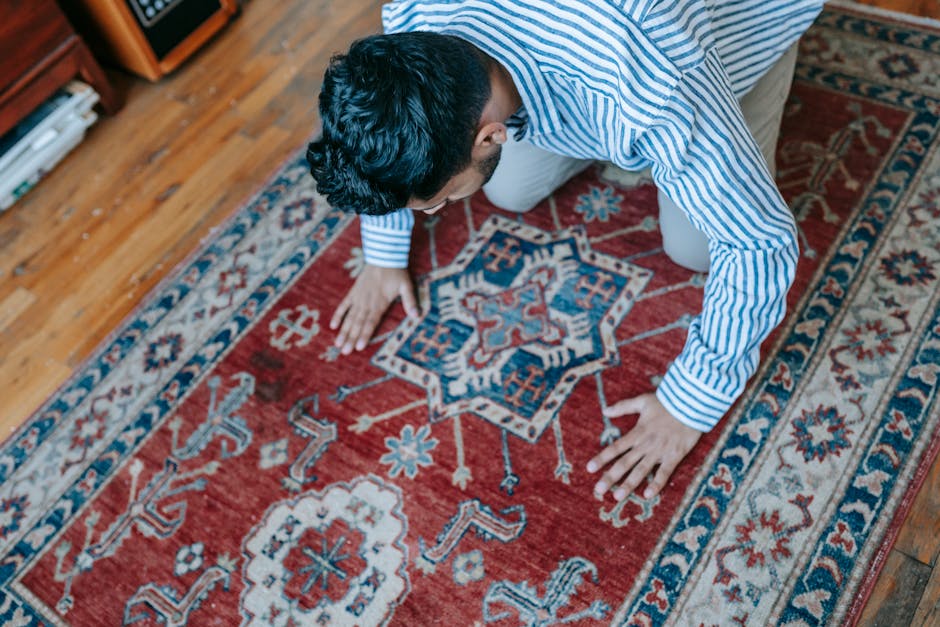
SW4 carpet cleaning guide for Abbeville and Clapham Old Town
If you live in SW4, you already know carpets do a lot of heavy lifting. Mud from a quick dash across Clapham Common, coffee near the sofa, pet hair in the hallway, or just the everyday dust that settles in older London homes, it all adds up. This SW4 carpet cleaning guide for Abbeville and Clapham Old Town is here to make the whole job feel less vague and a lot more manageable. Whether you are trying to freshen up a family home, deal with a stubborn stain before guests arrive, or decide if professional carpet cleaning is worth it, this guide walks you through the practical stuff that actually matters.
We will look at how carpet cleaning works, which methods suit different fibres, what to avoid, how to compare options, and what a sensible result should look like in a real SW4 property. Not glossy theory. Just clear, useful guidance.
Contents
- Why SW4 carpet cleaning guide for Abbeville and Clapham Old Town Matters
- How SW4 carpet cleaning guide for Abbeville and Clapham Old Town Works
- Key Benefits and Practical Advantages
- Who This Is For and When It Makes Sense
- Step-by-Step Guidance
- Expert Tips for Better Results
- Common Mistakes to Avoid
- Tools, Resources and Recommendations
- Law, Compliance, Standards, or Best Practice
- Options, Methods, or Comparison Table
- Case Study or Real-World Example
- Practical Checklist
- Conclusion
- Frequently Asked Questions
Why SW4 carpet cleaning guide for Abbeville and Clapham Old Town Matters
Abbeville and Clapham Old Town have a particular kind of indoor life. Many homes are busy, lived-in, and varied: period flats with fitted carpet in bedrooms, rental properties where turnover is quick, and family homes where the hallway seems to collect half the street on rainy days. That means carpet care is not just about appearance. It affects how a room smells, how clean it feels underfoot, and how long the flooring lasts before it looks tired.
Carpet fibres trap fine grit. Once grit works down into the pile, it behaves a bit like sandpaper. You may not see the damage straight away, but you will notice flattened traffic lanes, dull patches, and that slightly grubby look that no vacuum quite fixes. To be fair, a decent vacuum helps a lot. But it cannot remove everything.
That is why a proper carpet cleaning routine matters in SW4 homes. In a busy local setting, it helps with:
- dust and allergens carried in from outside
- spills and spot stains before they become permanent
- pet odours and general household smells
- the wear that builds up in hallways, stairs, and living rooms
- end-of-tenancy presentation when time is tight
If you are already considering broader home maintenance, it can make sense to look at services that support the whole property, such as domestic cleaning or a deeper reset with deep cleaning. Carpets rarely become the only problem, let's face it.
Expert summary: In SW4, good carpet cleaning is less about chasing a perfect showroom finish and more about protecting fibres, controlling soil build-up, and restoring a clean, comfortable feel to the room.
How SW4 carpet cleaning guide for Abbeville and Clapham Old Town Works
Carpet cleaning works by lifting soil, oils, and residues out of the pile using a combination of pre-treatment, agitation, extraction, and drying. The exact method depends on the carpet type, the level of soiling, and the result you want.
For many homes in Abbeville and Clapham Old Town, the process starts with inspection. A good cleaner will look at the fibre type, the backing, the stain history, and any fragile areas. Wool, for example, can behave very differently from synthetic carpet. A delicate staircase runner needs a different touch from a hard-wearing lounge carpet.
In practical terms, most professional carpet cleaning jobs follow this pattern:
- Inspection and testing - Check fabric type, colourfastness, and stain risk.
- Dry soil removal - Vacuum thoroughly to remove loose grit and dust.
- Pre-treatment - Apply suitable solution to traffic lanes or stains.
- Agitation - Work the product into the pile so it can loosen embedded soil.
- Cleaning stage - Use hot water extraction, low-moisture cleaning, or another suitable method.
- Spot treatment - Tackle remaining marks carefully, not aggressively.
- Drying - Promote airflow and avoid over-wetting.
Hot water extraction is often called steam cleaning, although technically it is not pure steam. It uses hot water and cleaning solution, then extracts the moisture and dirt. It is common because it reaches deep into the pile. Low-moisture methods can be useful for fast turnaround, especially in flats, home offices, or situations where you do not want long drying times.
If the carpet is part of a larger end-of-tenancy or moving schedule, services such as end of tenancy cleaning may be relevant too, because the carpet result should match the rest of the property. A clean carpet in a dusty flat is, frankly, a bit of a wasted effort.
Key Benefits and Practical Advantages
Good carpet cleaning does more than brighten a room. It can make the whole property feel better to live in. You notice it when the light hits the pile and the fibres stand back up again. Slightly dramatic, maybe, but true.
- Better appearance - colours look clearer and traffic lanes fade.
- Improved comfort - the carpet feels softer underfoot.
- Odour reduction - trapped smells are reduced rather than masked.
- Longer carpet life - less grit means less fibre wear.
- Cleaner indoor environment - useful for homes with kids, pets, or allergy concerns.
- Stronger first impression - helpful if you are hosting, selling, or moving out.
There is also a maintenance benefit that people often underestimate. Once a carpet is properly cleaned, routine vacuuming tends to work better because the fibres are less clogged. That means the next clean may be easier and less intensive. A nice little loop, really.
For homes that need more than carpet care alone, it may be worth looking at sofa cleaning or upholstery cleaning so the room feels consistent. A fresh carpet next to a tired sofa can make the sofa look worse than it is. Annoying, but there you go.
Who This Is For and When It Makes Sense
This guide is useful if you fall into any of these groups:
- homeowners in SW4 wanting to refresh a family home
- tenants preparing for check-out or deposit-sensitive inspections
- landlords turning over a property between occupants
- busy households dealing with pets, children, or frequent visitors
- people with a spill, stain, or odour that has not shifted with DIY cleaning
- anyone who wants to protect a decent carpet rather than replace it early
Timing matters. A carpet with one fresh spill is much easier to deal with than a carpet that has had three months of foot traffic and two different cleaning products tried on it. If you are unsure whether a professional clean is worthwhile, ask yourself: has the carpet lost colour, texture, or freshness? If yes, the job is probably overdue.
It also makes sense to consider carpet cleaning after renovation dust, light redecorating, or if you have just completed a broader one-off cleaning project. After work in the home, dust settles everywhere. Even on the places you thought were untouched.
Step-by-Step Guidance
If you want to clean a carpet properly in Abbeville or Clapham Old Town, a methodical approach will always beat a rush job. Here is the cleanest way to think about it.
1. Identify the carpet type
Check whether the carpet is wool, synthetic, blended, or something more delicate. This affects the choice of cleaning solution, water temperature, and drying strategy. If you are not sure, do not guess. A wrong product can cause colour loss, fibre distortion, or a sticky residue that attracts more dirt later.
2. Vacuum thoroughly first
This part sounds obvious, but people often half-do it. Slow vacuuming removes dry soil that would otherwise turn to mud during wet cleaning. Pay attention to edges, corners, and under furniture where dust likes to hide.
3. Treat stains before full cleaning
Spot treatment should be selective. A red wine mark needs a different response from a mud stain or a grease mark. Blot, do not scrub. Scrubbing drives the stain deeper and can fuzz the pile. The carpet will not thank you for the enthusiasm.
4. Apply the right method
For heavier soil, hot water extraction is often the most effective. For quicker drying or lightly soiled carpets, a low-moisture method may be enough. The key is matching the method to the material and condition of the carpet, not just using the most aggressive option available.
5. Rinse or extract properly
Leftover detergent can make the carpet feel tacky and cause re-soiling. Good extraction matters as much as the cleaning stage itself. If the carpet feels sticky after drying, something has gone wrong in the rinse/extract step.
6. Speed up drying
Use ventilation, open doors where safe, and avoid putting heavy furniture back too soon. In a London flat with limited airflow, drying may take longer than expected. That is normal. If needed, place a fan nearby and keep people off the carpet until it is properly dry.
7. Reset the room
Once dry, vacuum lightly to lift the pile and check for any missed marks. Move furniture back carefully. A little patience here saves a lot of frustration later.
Expert Tips for Better Results
Here are the small details that make a real difference. These are the bits people often skip, then wonder why the carpet still looks a bit tired.
- Test before you commit - always patch test cleaning products in a hidden area.
- Work from the outside of a stain inward - this helps prevent spreading.
- Use less liquid than you think - overwetting is one of the fastest ways to cause trouble.
- Think about foot traffic - hallways and stairs usually need more attention than bedrooms.
- Clean sooner rather than later - fresh marks are easier to remove than old ones.
- Keep shoes off freshly cleaned carpets - at least until they are dry and the pile has settled.
A practical local tip? In SW4, carpets near entrances often collect fine grit from pavements and gardens, especially after wet weather. You will notice it most in the first meter by the door. That zone deserves a little extra vacuuming, every time.
If your carpet sits alongside hard flooring, it can help to keep the whole transition area in good shape with hard floor cleaning as well. Clean carpet edges look far better beside clean floors. Otherwise the room can feel oddly unfinished.
Common Mistakes to Avoid
Carpet cleaning mistakes are rarely dramatic at first. They tend to show up later as dull patches, colour changes, or a carpet that seems dirty again far too quickly.
- Using too much detergent - residue attracts dirt.
- Rubbing stains hard - this spreads the mark and damages fibres.
- Skipping the vacuum stage - dry soil turns messy when wet.
- Overwetting wool or natural fibres - this can lead to shrinkage or distortion.
- Ignoring drying time - walking on the carpet too soon can flatten the pile.
- Mixing products randomly - not clever, and sometimes risky.
There is also the classic mistake of treating every stain the same way. Tea, wine, grease, ink, pet mess, and mud all behave differently. One product for all is convenient, sure, but often not effective. Sometimes not even a little bit.
If the issue is beyond a normal refresh, it can make sense to bring in a carpet cleaner or look at a broader cleaning company approach rather than trying three DIY fixes in a row. That can save time and avoid damage.
Tools, Resources and Recommendations
You do not need a warehouse of equipment, but a few good tools make the job much easier.
Useful tools for DIY carpet care
- an upright vacuum with strong suction
- a soft-bristled brush or upholstery brush
- white microfibre cloths
- a spray bottle for light treatment
- a fan or good airflow for drying
- a carpet-safe stain remover matched to the fibre type
What to look for in a professional service
- clear explanation of the cleaning method
- careful inspection before treatment
- knowledge of different carpet fibres
- realistic drying-time advice
- transparent pricing and quote process
- appropriate insurance and safety practices
If you want to compare services properly, it helps to review pricing and quotes carefully rather than just choosing the cheapest line on the page. Cheap can be fine. Cheap and rushed, not so much.
It is also sensible to check business policies if trust matters to you, particularly insurance and safety and the company's approach to recycling and sustainability. Those details are not glamorous, but they tell you a lot about how the business operates.
Law, Compliance, Standards, or Best Practice
Carpet cleaning in a domestic setting is not usually a heavily regulated activity for the homeowner, but best practice still matters. In the UK, a sensible provider should follow general health and safety expectations, use products responsibly, and make sure staff understand how to work safely in occupied properties.
From a practical point of view, that means:
- risk-assessing slippery floors and cables
- using cleaning products according to manufacturer guidance
- protecting furniture and nearby surfaces
- communicating clearly about drying time and room access
- handling waste water and residues responsibly
For tenants and landlords, carpet condition can also sit within broader property handover expectations. The important thing is not to overstate what a clean carpet can achieve. A professional clean can improve appearance a lot, but it will not reverse wear, burn marks, or permanent fibre damage. Honest expectations save awkward conversations later.
If you are dealing with building dust, post-renovation debris, or a freshly finished property, a coordinated clean matters more. In those situations, after builders cleaning can be a useful companion service because dust from construction and carpet fibres are not exactly best friends.
Options, Methods, or Comparison Table
Different carpet cleaning methods suit different situations. The table below gives a practical comparison, without the fluff.
| Method | Best for | Drying time | Strengths | Limits |
|---|---|---|---|---|
| Hot water extraction | Deep soil, general domestic carpets, busy areas | Moderate | Thorough cleaning, good for embedded dirt | Can over-wet if done badly |
| Low-moisture cleaning | Quick turnaround, lightly soiled rooms | Fast | Convenient, less downtime | May be less effective on heavy soil |
| Spot treatment only | Small isolated stains | Fast | Targeted, low disruption | Won't refresh the whole carpet |
| DIY shampooing | Small jobs if done carefully | Variable | Accessible, useful for emergencies | Residue risk, uneven results |
If the carpet is part of a set that includes rugs or fitted runner areas, you might also compare with rug cleaning because loose items are often easier to treat separately and more delicately. Not every textile wants the same treatment. Some really do have opinions.
Case Study or Real-World Example
Here is a realistic SW4-style example. A couple in a Clapham Old Town flat had a hallway runner and a living room carpet that had picked up traffic marks over winter. Nothing dramatic, just that greyed-in look by the door and a faint stale smell after a few wet weeks. They had tried a supermarket spray on one patch, which made the area look cleaner for a day and then oddly darker once it dried. Very common, by the way.
The sensible fix was simple: vacuum thoroughly, treat the localised stains carefully, then carry out a full clean suited to the carpet fibre. The hallway regained contrast, the pile lifted, and the room smelled fresher by evening. Not like perfume. Just clean. That is the sweet spot, really.
The important lesson was that the biggest issue was not one stain. It was the build-up. Once the deep dirt came out, the whole flat felt lighter. If you have ever opened the front door after a proper clean and thought, "Ah, that's better," you will know exactly what I mean.
Practical Checklist
Use this checklist before you clean, especially if you are planning to do it yourself.
- Identify the carpet fibre and pile type.
- Vacuum slowly and thoroughly.
- Move light furniture where possible.
- Patch test any product in a hidden area.
- Deal with fresh spills before full cleaning.
- Use the least aggressive method that should work.
- Avoid overwetting the carpet.
- Keep the room ventilated during drying.
- Wait until the carpet is properly dry before replacing items.
- Recheck problem spots after the carpet settles.
If you are still deciding between DIY and professional help, think about the time you have, the value of the carpet, and the type of stain. A five-minute spill is one thing. A tired family carpet in a busy SW4 hallway is another.
Conclusion
Good carpet cleaning in Abbeville and Clapham Old Town is really about judgement. Not just machines. Not just products. Judgement. The right method, the right amount of moisture, the right drying time, and the patience to avoid rushing the finish. Get those things right, and a carpet can transform a room more than people expect.
In SW4 homes, where daily life can be busy and the floor sees constant traffic, a thoughtful cleaning approach protects your investment and makes the home feel more settled. If your carpet is starting to look dull, smell a bit stale, or show tracks where everyone walks, that is usually your cue. Nothing fancy. Just practical timing.
When you are ready to take the next step, choose a service that explains its process clearly, treats your home with care, and gives you honest advice about what the carpet can realistically achieve. That's the good stuff.
Get a free quote today and see how much you can save.
A cleaner carpet has a quiet way of improving the whole room, and sometimes that small lift is exactly what a home needs.
Frequently Asked Questions
How often should carpets be cleaned in SW4 homes?
It depends on traffic, pets, children, and how quickly dirt builds up. Many busy households benefit from a professional clean every 6 to 12 months, while lighter-use rooms may go longer.
Is hot water extraction safe for wool carpets?
It can be safe when done correctly, but wool needs careful handling. Temperature, moisture levels, and product choice matter, so a patch test and fibre check are essential.
How long does carpet cleaning take to dry?
Drying time varies with method, ventilation, humidity, and carpet thickness. Low-moisture methods dry faster, while extraction cleaning usually needs longer. In a flat with limited airflow, allow extra time.
Can carpet cleaning remove old stains completely?
Sometimes yes, sometimes no. Fresh stains are easier to remove. Older marks, dye transfer, bleach damage, and set-in spills may improve but not disappear completely.
Will carpet cleaning get rid of pet smells?
It often helps a lot, especially if the smell is in the fibres rather than the underlay. Strong or repeated pet odours can be more stubborn and may need targeted treatment.
What is the best carpet cleaning method for a rental property?
That depends on the carpet and the time available. Hot water extraction is strong for deep cleaning, while low-moisture methods can be useful when you need a faster turnaround before inventory or handover.
Should I vacuum before a carpet cleaner arrives?
Yes, if you can. Pre-vacuuming removes dry soil and helps the cleaner focus on embedded dirt and stains. It can make a noticeable difference to the final result.
Can I walk on the carpet after cleaning?
It is better to wait until it is properly dry. If you must cross the area, use clean socks and keep foot traffic minimal. Damp carpets flatten more easily.
How do I choose between DIY and professional carpet cleaning?
Choose DIY for small fresh spots or light refreshes. Choose professional cleaning for heavy traffic, recurring stains, delicate fibres, or when you want a more even, dependable result.
Does carpet cleaning help with allergies?
It can help by removing dust, pollen, and other trapped particles from the pile. It is not a cure-all, but it can make the indoor environment feel fresher and cleaner.
Is it worth cleaning carpets before moving out?
Usually, yes. A clean carpet improves the overall presentation of the property and can help avoid disputes about condition, especially in well-used rooms.
What should I ask before booking a carpet cleaning service?
Ask about the cleaning method, drying times, fibre suitability, pricing, insurance, and what happens if a stain cannot be fully removed. Clear answers are a good sign.